Windows 12 features and release date are reshaping how enterprises approach digital infrastructure, bringing AI-driven productivity, advanced security, and seamless hybrid work capabilities to the forefront.
Windows 12 Features Release Date: Timeline & Expectations
Microsoft has signaled that Windows 12 features and release date will arrive in late 2026, marking a significant milestone for businesses worldwide. While the exact launch window remains under careful guard, industry analysts and early-access participants suggest a phased rollout beginning in Q4 2026, with full enterprise deployment support expected by early 2027.
This measured approach reflects Microsoft's commitment to stability and thorough testing—critical for the millions of U.S. businesses relying on Windows infrastructure. Unlike consumer-focused releases, enterprise editions will receive extended validation periods, allowing IT departments to plan migrations without disruption.
Key Windows 12 Features Transforming Business Operations
The upcoming Windows 12 introduces several game-changing capabilities designed specifically for modern workplace demands:
AI-Powered Productivity & Copilot Integration
Windows 12 features deeply embedded AI assistants that learn organizational workflows, automate routine tasks, and provide real-time insights. Copilot integration extends beyond consumer convenience—enterprise versions include role-specific configurations for finance, HR, and operations teams.
- Contextual automation: AI recognizes document types and suggests workflow optimizations
- Natural language processing: Execute complex commands through conversational interfaces
- Predictive resource management: System anticipates hardware needs before bottlenecks occur
Enhanced Security & Zero-Trust Architecture
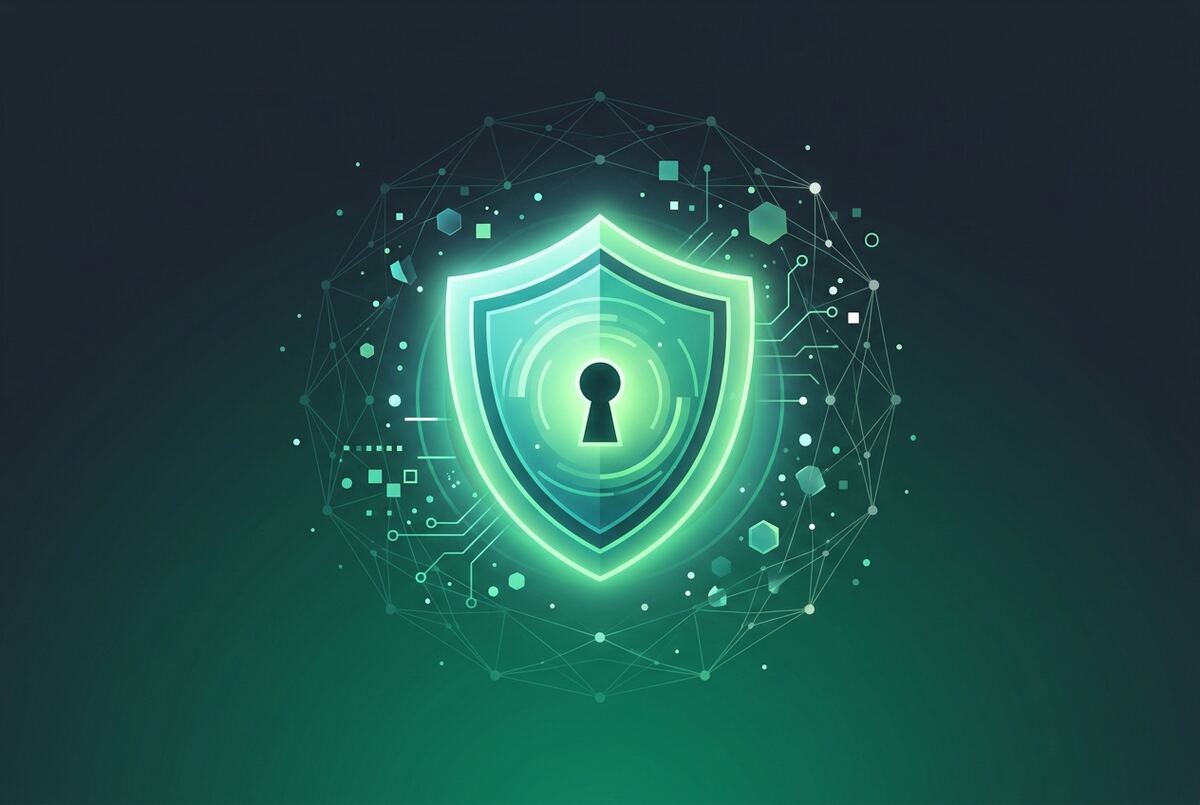
Security remains paramount for enterprise adoption. Windows 12 features fortified defenses including quantum-resistant encryption protocols, advanced threat isolation, and mandatory biometric authentication frameworks that exceed current industry standards.
The zero-trust model now extends to peripheral devices and cloud integrations, ensuring that no connection—internal or external—bypasses verification. This approach directly addresses the hybrid workforce challenges U.S. businesses faced throughout the past five years.
Hybrid Work & Remote Management Enhancements
Windows 12 features streamlined tools for managing distributed teams. Native integration with Microsoft Teams, Azure Virtual Desktop, and third-party collaboration platforms creates a unified workspace regardless of physical location.
- Instant device provisioning for remote workers
- Unified credential management across cloud and on-premises systems
- Enhanced VPN and secure tunnel protocols for sensitive data access
Performance Improvements & System Requirements
Windows 12 features significant performance enhancements that reduce latency and improve multitasking efficiency. The operating system has been optimized for modern processors, including the latest Intel and AMD architectures, while maintaining backward compatibility with recent hardware generations.
Businesses currently running Windows 11 environments will find the transition relatively seamless, though IT teams should budget for hardware refresh cycles to fully leverage new capabilities. Minimum requirements are expected to remain comparable to Windows 11, easing adoption across diverse enterprise environments.
Preparing Your Business for Windows 12 Migration
Smart organizations are already planning their transition strategies. Here's what forward-thinking IT leaders recommend:
- Audit current infrastructure: Document hardware specifications, software dependencies, and custom applications requiring compatibility testing
- Develop pilot programs: Deploy Windows 12 features in controlled environments before organization-wide rollout
- Train IT staff: Ensure support teams understand new security protocols, management tools, and troubleshooting procedures
- Plan budget allocation: Account for licensing, hardware upgrades, and professional deployment services
- Establish rollback procedures: Maintain contingency plans for rapid reversion if critical issues emerge
Windows 12 Licensing & Enterprise Considerations
Microsoft has announced that Windows 12 features will be available across multiple editions, including Pro, Enterprise, and Education versions tailored to organizational size and complexity. Existing Software Assurance agreements will provide upgrade pathways, though specific pricing structures will be detailed closer to the release date.
For businesses currently using Windows 11 Home or other legacy systems, this represents an opportunity to consolidate on modern, enterprise-grade infrastructure. Volume licensing agreements and cloud-based subscription models will likely offer cost-effective alternatives to traditional perpetual licensing.
Industry Impact & Competitive Advantage
Early adopters of Windows 12 features will gain competitive advantages through enhanced productivity, superior security posture, and improved employee experience. The AI-driven capabilities alone promise significant time savings—industry estimates suggest 15-25% reduction in routine IT tasks through automation.
Organizations that delay adoption risk falling behind in digital transformation, particularly as customer expectations and regulatory requirements increasingly demand advanced security and operational efficiency.
Frequently Asked Questions
When exactly will Windows 12 features be available for business deployment?
Microsoft expects Windows 12 features to begin rolling out in late 2026, with enterprise-grade support and full documentation arriving by early 2027. Staggered releases across different regions and organizational sizes are anticipated.
Will Windows 12 features require new hardware investment?
Most organizations can deploy Windows 12 features on existing hardware, though newer processors unlock full AI and security capabilities. Strategic hardware refresh cycles aligned with your upgrade timeline optimize performance and ROI.
How does Windows 12 features security compare to current Windows 11?
Windows 12 features quantum-resistant encryption, enhanced zero-trust architecture, and advanced threat isolation—representing substantial security improvements over Windows 11. These upgrades address emerging cyber threats and regulatory compliance requirements.
Can we run Windows 12 features alongside Windows 11 in a hybrid environment?
Yes, Windows 12 features support gradual migration strategies. Organizations can maintain mixed environments during transition periods, with unified management tools simplifying administration across multiple OS versions.
What's the expected cost for upgrading to Windows 12 features?
Specific pricing hasn't been announced, but Microsoft typically offers upgrade discounts for existing Windows users. Volume licensing and subscription models will provide cost-effective options for enterprise deployments.
Stay informed about Windows 12 features and release date by subscribing to Microsoft's enterprise communications and consulting with your IT vendor. Early planning ensures your organization maximizes the productivity and security benefits this transformative operating system will deliver.